Basement Flooding Cleanup in Monroe Township, NJ
A flooded basement soaks carpet, drywall and stored boxes within hours. The restoration team pumps it out, removes what cannot be saved and dries the slab and block walls to the IICRC S500 goal.
(888) 471-9821Have the flooded basement pumped out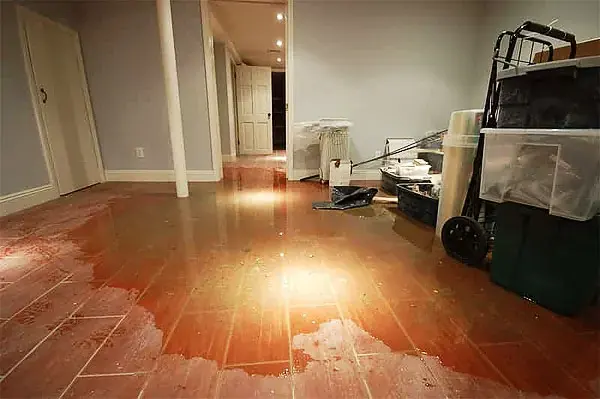
First steps for basement flooding cleanup in Monroe Township
- 1
Stay off the stairs if live wires are wet
Do not enter water that touches outlets, cords or the panel.
- 2
Shut the power to the basement
Only from a dry panel, and only if it is safe.
- 3
Find the source
A sump pit, a pipe, the water heater or a window well.
- 4
Lift what you can reach safely
Boxes and electronics off the floor, then photos.
How basement flooding cleanup is handled in Monroe Township
- L1
Pump out
Submersible pumps and truck-mounted extraction.
- L2
Remove
Wet pad, drywall bottoms and ruined contents come out.
- L3
Dry
LGR dehumidifiers and air movers on the slab and walls.
- L4
Verify
Daily readings until block and slab match a dry reference.
What does basement flooding cleanup cost in Monroe Township, NJ?
In Monroe Township, NJ, basement flooding cleanup typically runs $2,000 to $10,000, set by the water depth, whether the basement is finished, the water category and how long the water sat.
- Pump-out and extraction
- Slab and block drying
- Daily readings
- Carpet, pad and drywall out
- Cavity drying
- Claim photos
- Category 3 removal
- Antimicrobial treatment
- Containment
Ranges are typical, not a quote: the water category, square footage, material class and how fast drying started move the number most. The Monroe Township water damage cost calculator gives a closer planning range.
Basement floods in Monroe Township usually start with a dead sump pump, a split pipe, a failed water heater or surface water during a big storm. The source sets the water category, and the category decides what stays and what goes.
How a flooded basement is cleaned out
The extraction crew pumps standing water first, then extracts carpet and slab with truck-mounted wands. Wet carpet pad, soaked boxes and drywall that wicked water are removed. Drywall is usually cut a foot or more above the water mark so the cavity can dry. See emergency water extraction for the first step in detail.
- Finished basements: carpet, pad, drywall bottoms and insulation are checked wall by wall.
- Unfinished basements: the slab, block walls and stored contents are the focus.
- Mechanical rooms: the furnace and water heater are checked by the right trade before restart.
Drying block walls and the slab
Once the wet materials are out, the drying team sets LGR dehumidifiers and air movers and closes the basement off so the equipment works on the right air. Readings are taken every day until the slab and block match a dry reference. The structural drying page covers the equipment.
When the water came from outside
Water that came in through window wells or foundation cracks during a storm is treated as Category 3, so porous materials it touched come out. Flood coverage is separate from a homeowners policy; FloodSmart explains how the National Flood Insurance Program treats basements. The National Weather Service flood safety page covers staying safe while water is still rising.
Basement flooding cleanup across Monroe Township and nearby towns
Monroe Township Water Damage Restoration covers ZIP 08831 from Rossmoor, Clearbrook and Concordia to Whittingham, Applegarth, Prospect Plains and the homes along Route 33 and Spotswood-Englishtown Road.
Nearby coverage reaches Jamesburg, Spotswood, Helmetta, Cranbury, South Brunswick, Hightstown.
Basement Flooding Cleanup questions in Monroe Township, NJ
How long does a flooded basement take to dry?
Most basements dry in four to nine days once the water is out. Block walls, slabs and finished walls take longer than open framing.
Do the basement walls have to be torn out?
Not always. Drywall that stayed firm after clean water can sometimes be dried in place. Drywall that wicked high, softened or met Category 3 water is cut out.
Is basement flooding covered by homeowners insurance?
A sudden discharge such as a split pipe usually is. Sump overflow often needs a backup endorsement, and surface water needs flood insurance. Check with your own insurer.
Can the furnace and water heater be used again?
They should be checked by a qualified technician before restart if water reached the burners, controls or wiring.
What happens to things stored in the basement?
Hard items can usually be cleaned. Wet cardboard, upholstered furniture and paper goods often cannot, especially after Category 3 water.
Why does the basement still smell after it looks dry?
Moisture is still in the slab, the block or the wall cavities. Readings, not looks or smell, decide when drying is done.
Basement under water? Have it pumped out and dried.
The extraction crew pumps it out and the drying team dries the slab and block walls to the S500 goal.