Water Damage Restoration South River, NJ
South River homes, apartments and Main Street shops get a restoration team that pumps out standing water, maps the moisture and dries every wall and floor with daily readings.
(888) 471-9821Book the South River drying team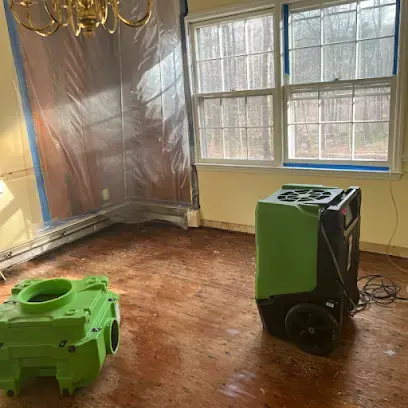
What to do when water floods a South River home
Safety comes first. These moves protect people, belongings and the claim until the restoration team takes over.
- Step 1
Make the space safe
Cut power only from a dry spot, and keep everyone away from water near outlets.
- Step 2
Stop the source
Close the supply valve or move a downspout away so the water stops growing.
- Step 3
Photograph first
Shoot wide and close photos of wet walls, floors and ruined items before anything moves.
- Step 4
Lift small belongings
Move rugs, electronics and papers to dry shelves and leave heavy furniture for the crew.
- Step 5
Ask before cleanup
Keep wet materials until photos are done, then ask the carrier what it needs.
Borough Ordinance 288-4 bars construction and demolition from 6:00 PM to 7:00 AM on weekdays, with emergency work excluded, a distinction that matters when a flooded home cannot wait for morning.
Every water problem a South River property can face
Storm water in a street, a failed water heater or a ruined supply hose: each service below is matched to the way the water got in.
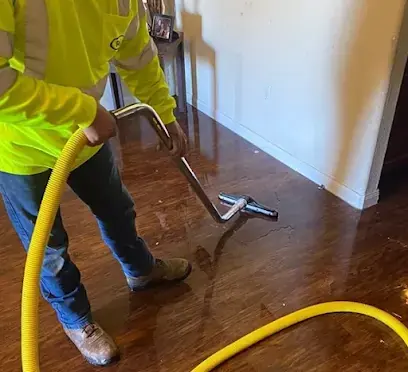 Emergency Water ExtractionTruck-mounted and submersible pumps clear standing water from living areas, garages and lower levels before drying begins.See the service
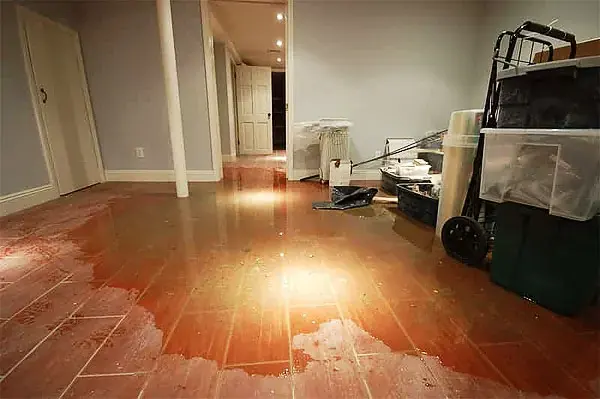 Basement Flooding CleanupWet carpet and drywall bottoms come out, then slab and wall cavities dry with logged readings.See the service
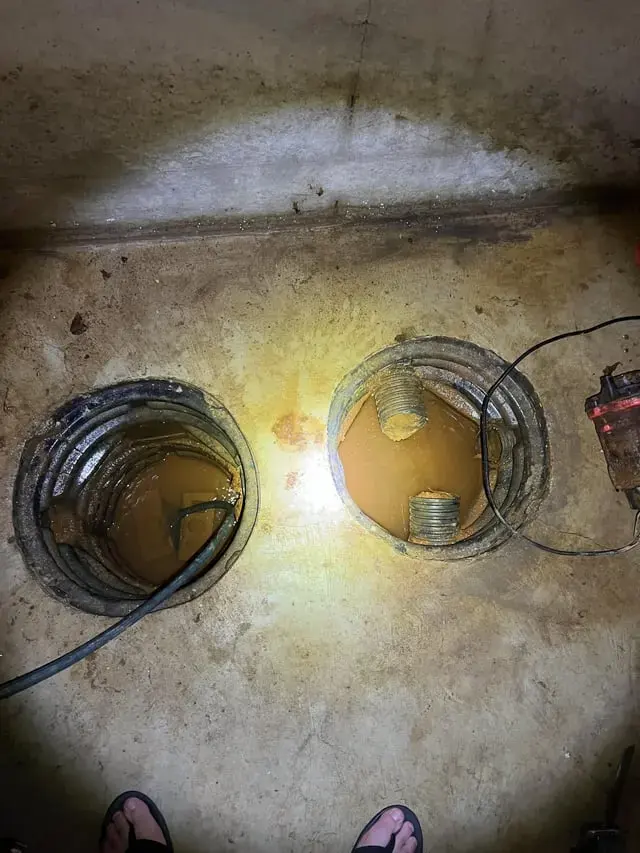 Sump Pump Failure CleanupAn overflowing pit or a pump that quits mid-storm means extraction, cleaning and a full dry-down.See the service
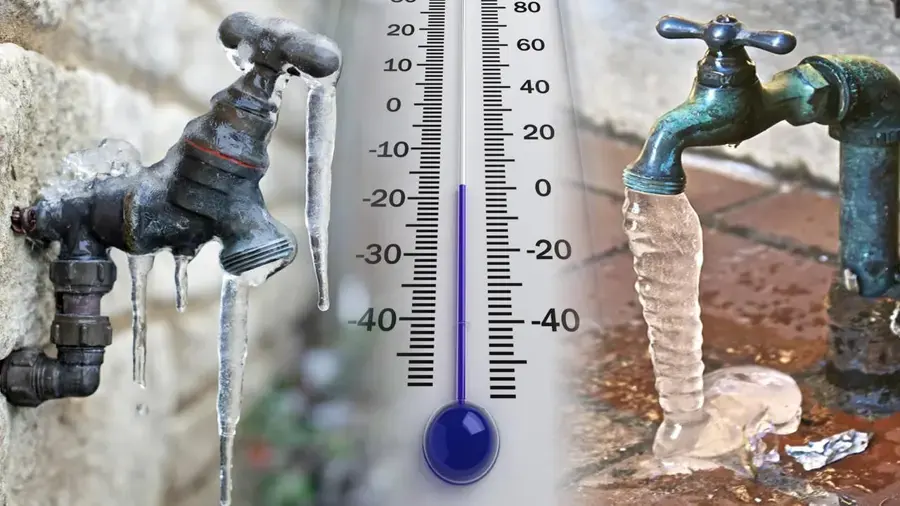 Frozen Pipe Water DamageWhen a frozen pipe thaws, water enters walls and ceilings, so cavities are opened and dried.See the service
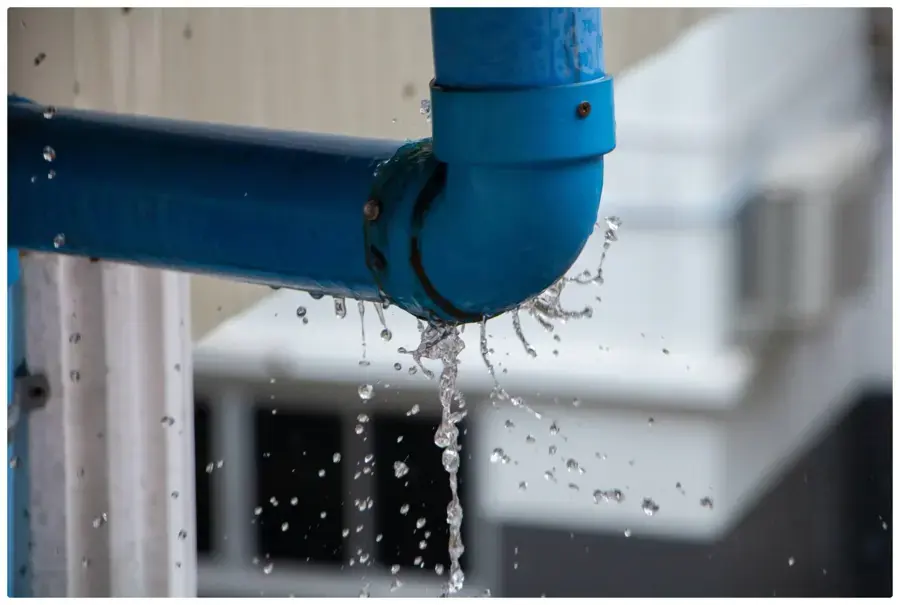 Burst Pipe Water DamageA split pipe can soak several rooms quickly, so extraction and drying start with the wettest areas.See the service
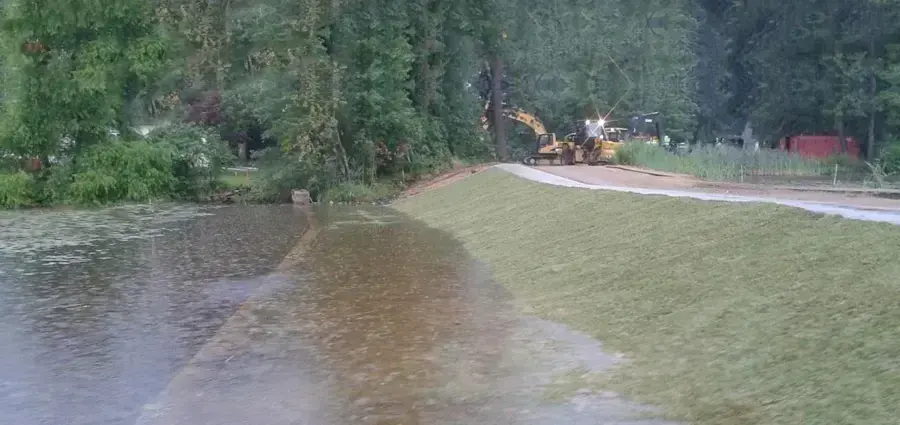 Storm and Flood Water CleanupStreet flooding and clogged drains push water indoors, and the crew removes mud, porous materials and moisture.See the service
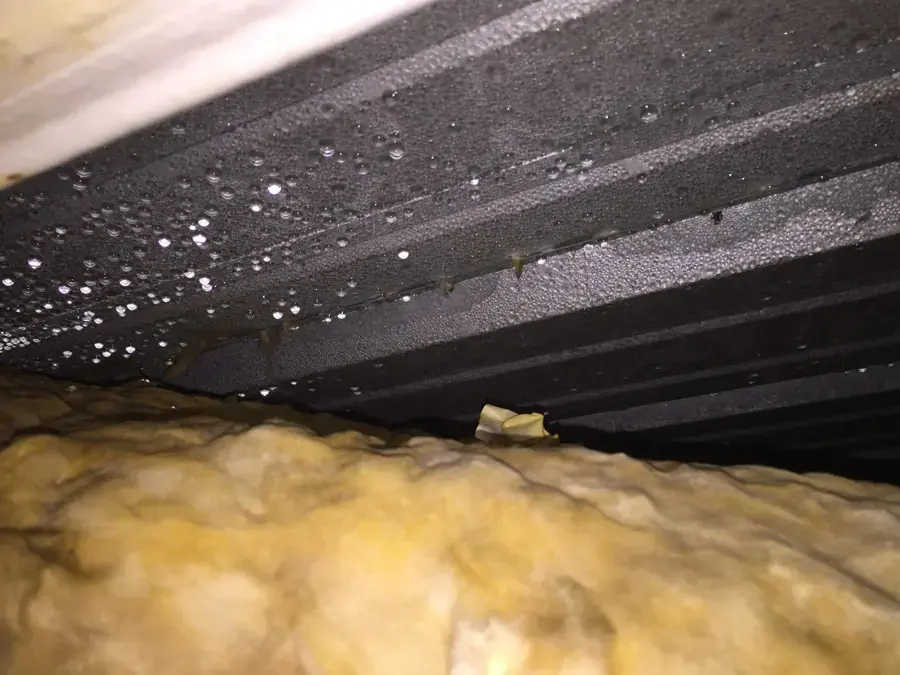 Roof Leak Water DamageRain that gets past shingles soaks insulation and ceilings, so the attic and rooms below are checked and dried.See the service
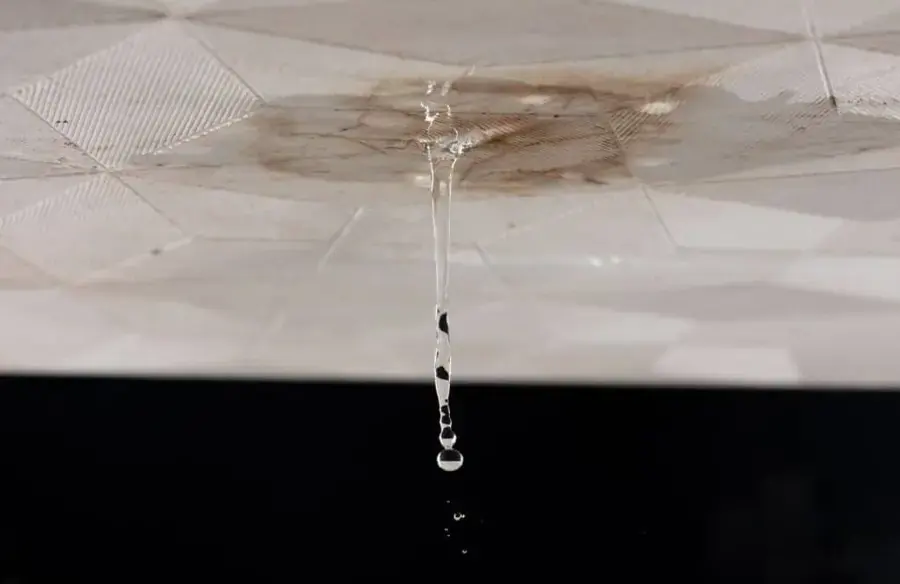 Ceiling Leak Water DamageA stained or sagging ceiling often hides wet insulation, so the bay is scanned, opened and dried.See the service
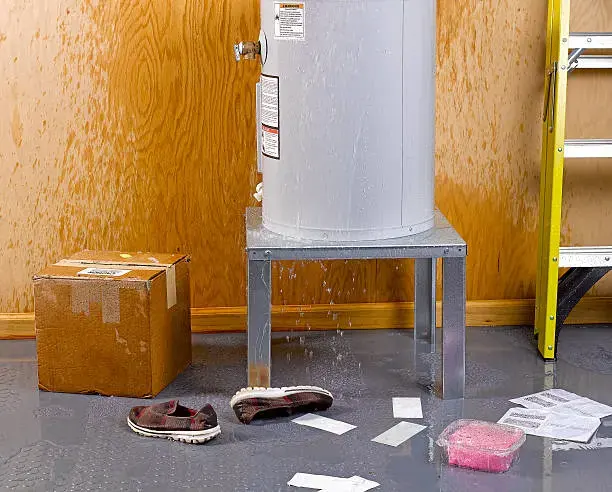 Water Heater Leak CleanupA leaking tank floods utility areas and finished rooms, so extraction and drying come next.See the service
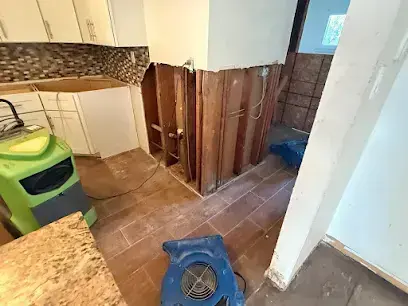 Appliance and Supply Hose LeaksWasher, dishwasher and ice maker hoses leak into floors and cabinets, and the crew dries the hidden path.See the service
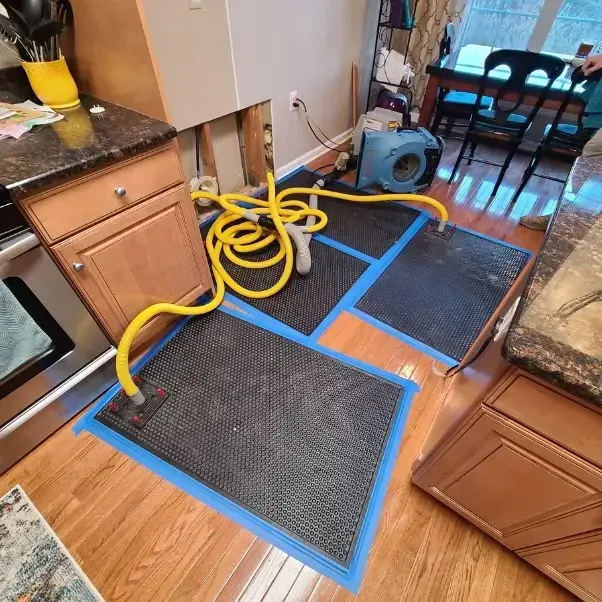 Hardwood Floor Water DamageWet boards cup and buckle quickly, so drying mats start work to save the floor.See the service
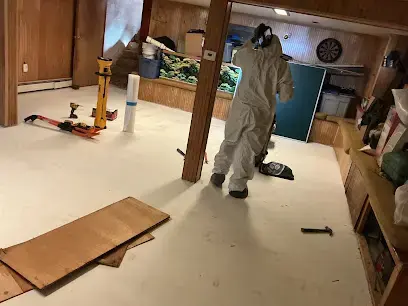 Sewage Backup CleanupContaminated water gets contained, removed and treated with antimicrobial products, and porous materials are discarded.See the service
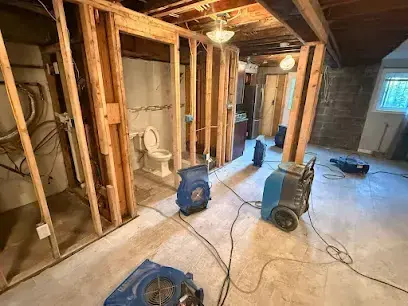 Structural Drying and DehumidificationDehumidifiers and air movers pull moisture from framing, subfloors and slabs until readings match dry targets.See the service
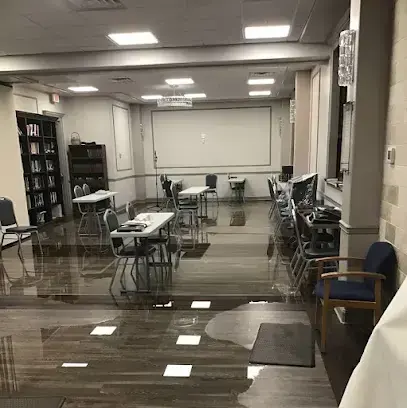 Commercial Water DamageShops, offices and apartment common areas get phased drying that keeps the rest of the building open.See the service
A drying plan built around readings, not guesses
On every South River job the team starts with a moisture map, removes what cannot be saved and then sets equipment by the numbers, logging each visit so the file holds proof an adjuster can follow.
- Level 1
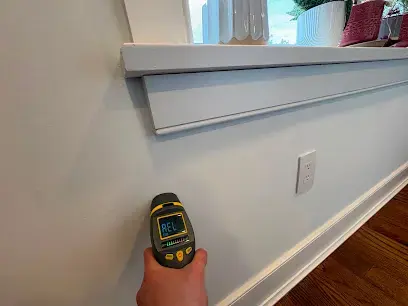
Map the moisture
A meter and thermal camera trace wet drywall, subfloors and wall bays so no damp spot is missed.
- Level 2
Pull out the water
Truck-mounted units and submersible pumps remove standing water, then extractors lift what soaked into carpet and pad.
- Level 3
Remove what stays wet
Sodden pad, insulation and drywall bottoms are cut out, which opens the cavities to moving air.
- Level 4
Log every visit
Moisture readings, humidity and equipment counts are written down each day, so the drying curve is visible.
- Level 5
Confirm dry
Equipment stays until the framing and subfloor read at dry targets, and the final readings go into the claim file.
The source of the water sets the cleanup
Clean, gray and black water each carry different health risks, and the category decides what can be dried and what must be thrown away.
Clean water
Supply hose and broken pipe leaks start clean, but wet materials left to sit turn risky.
Burst pipe responseGray water
Washer, dishwasher and tub overflow water carries soap and soil, so it needs quick removal and cleaning.
Appliance hose leaksBlack water
Sewage, storm runoff and tidal flood water bring bacteria into the home, and soaked porous materials are discarded.
Storm water cleanupA crew that knows how this borough floods
The borough's shoreline has a tidal salt marsh that floods, so the team plans for water coming from outside as well as from a broken pipe.
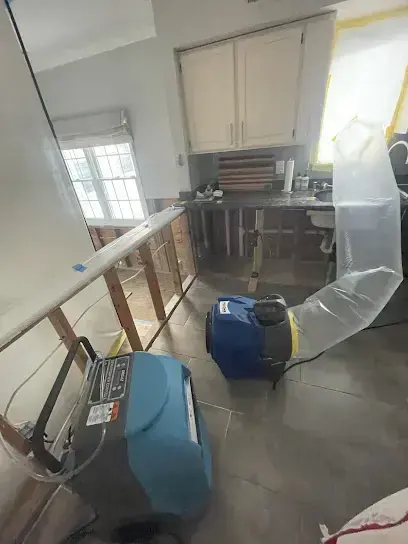
Local crews
Crews work Middlesex County jobs regularly, so equipment and routes for a South River loss are already familiar.
Night and weekend response
Floods strike after dark and on weekends, so emergency water work is dispatched at any hour.
Claim-ready files
Dated photos, moisture logs and equipment records go into one file that supports the insurance claim.
Water-only focus
Storm water, sewage and supply leaks are the daily work, so the equipment and methods match the problem.
What a drying job looks like from start to finish
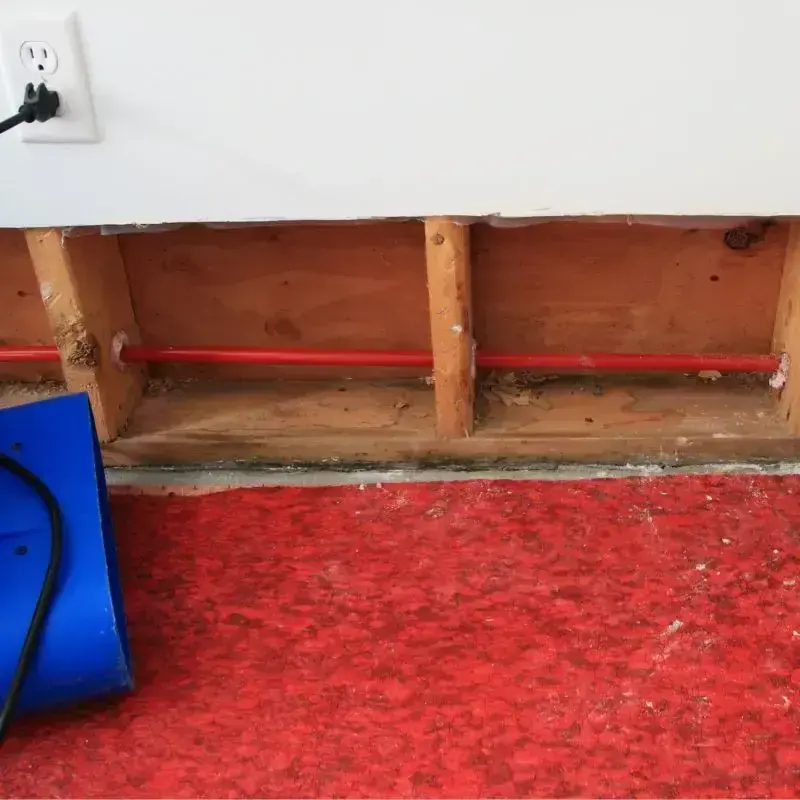
- Wet pad and drywall bottoms come out first so air can reach the framing behind them.
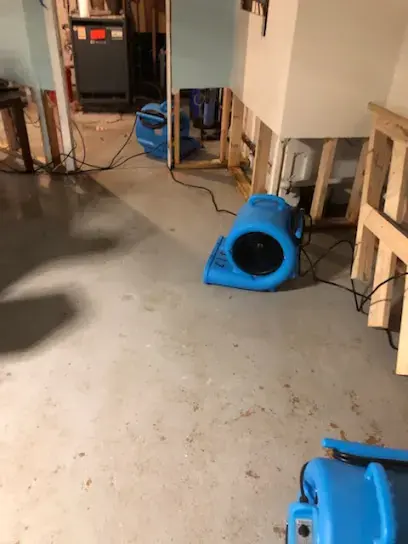
- Dehumidifiers pull vapor from the air while air movers push dry air across wet surfaces.
- Equipment comes out only after the framing and subfloor reach dry targets, and the readings prove it.
What water damage restoration costs in South River
Cost depends on how far the water spread, which category it is and how many rooms must dry. Small contained losses sit at the low end and sewage or multi-room floods reach the top.
- Extraction and air movers
- Moisture map of the room
- Daily moisture readings
- Wet pad and drywall removed
- LGR dehumidifiers
- Cavity drying
- Containment
- Removal and antimicrobial
- Extended drying
Ranges are typical for the area, and a written scope with photos and readings sets the real number once the wet area is mapped.
Water damage and insurance claims
Carriers pay on proof, so the documentation is built while the work is happening.
- Dated photos of the water, the source and each damaged room.
- Daily moisture readings and humidity logs from the drying equipment.
- A list of damaged contents before anything is discarded.
- A written scope of what came out.
- Notes on the date and cause of the loss for the adjuster.
What drying work looks like in a water-damaged home
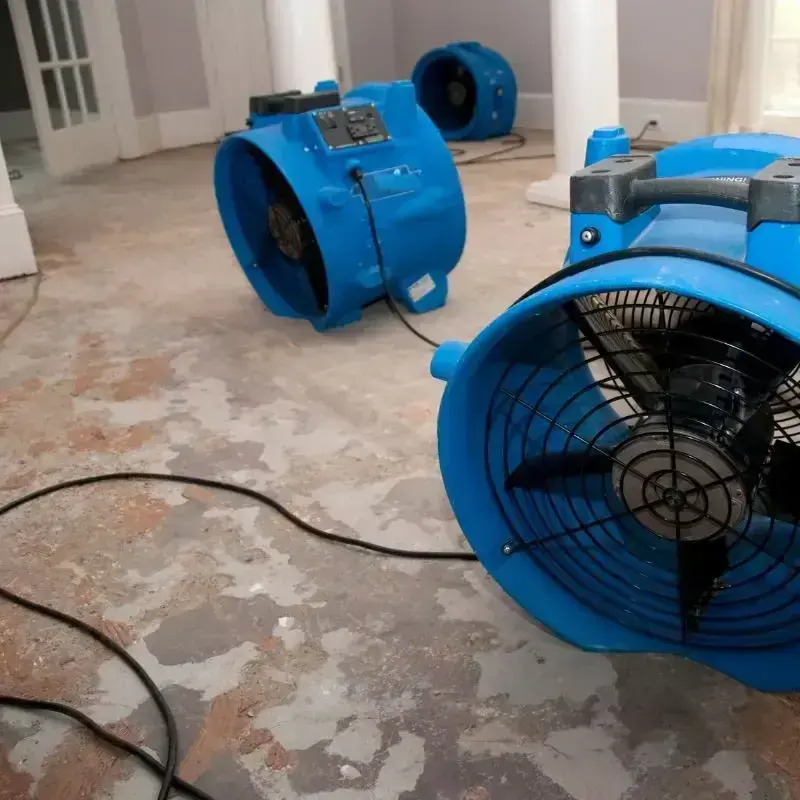
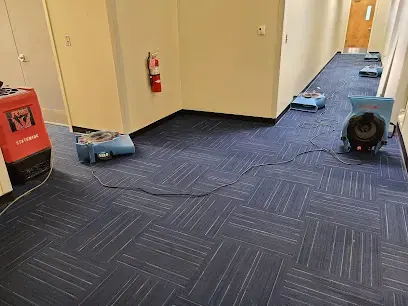
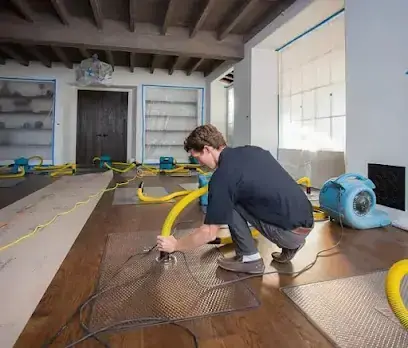
Where the South River crews work
Streets and corridors
ZIP code
Nearby towns
Reaching the South River restoration team
Homeowners, tenants and shop owners across South River can request emergency water work at any hour, and each request goes to a crew that works Middlesex County.
The same crews also serve Freehold, Hightstown and Jamesburg, plus the wider Monroe Township service area.
South River, NJ · [email protected]
What floods South River homes and shops
Water here arrives from storms, tides and clogged drains.
Flash flood, July 9, 2026
Flash flooding filled South River streets and overwhelmed storm drains on July 9, 2026, and some homeowners reported basement water that later subsided.
Tidal marsh shoreline
A tidal salt marsh of more than 650 acres spans the shoreline, and high tides with a storm flood it fairly regularly.
Named storms
Coastal areas of South River and Sayreville flooded after Hurricane Floyd in 1999, Tropical Storm Ernesto in 2006, Hurricane Irene in 2011 and Hurricane Sandy in 2012.
South River water damage questions
What should happen first when water enters a South River home?
Safety comes first, then extraction. The restoration team removes standing water and opens wet areas, while the owner photographs the damage and notifies the insurance carrier.
Can storm drain flooding like July 9, 2026 reach inside a home?
Yes. Street water that overwhelms storm drains can enter doors, window wells and lower levels, and it should be treated as contaminated until the crew confirms the category.
Does tidal flooding near the marsh count as storm water?
Tidal and storm surge water is outdoor water carrying silt and bacteria, so it is handled as black water, with porous materials removed rather than dried in place.
What causes frozen pipes, according to the borough?
The borough names poor insulation, quick temperature drops and low thermostats as the three main causes, and advises insulating pipes in crawl spaces and attics and disconnecting garden hoses before winter.
How do apartment tenants handle a leak from the unit above?
A ceiling leak in a community like Deer Creek Village may come from an upstairs unit, so tenants photograph the damage and report it to the property manager right away.
What does a typical South River restoration job cost?
Contained losses land low. Sewage, tidal water or several wet rooms land high. Material choices such as carpet versus hardwood also move the total. The written scope after mapping fixes the real figure.
Is sewage backup handled differently from clean water leaks?
Yes. Sewage backup cleanup means containment, removal with protective gear and antimicrobial treatment, and carpet, pad and drywall that absorbed it are discarded instead of dried.
How long does equipment stay in a flooded room?
It stays until moisture readings in the framing and subfloor reach dry targets, which varies by materials and how long the water sat. The daily logs show when that point is reached.
Do shops on Main Street get the same service as homes?
Commercial losses use the same extraction and drying methods, planned in phases so a storefront or office can keep part of the space open when conditions allow.
How is a hardwood floor saved after a leak?
Drying mats pull moisture from the boards through the surface while dehumidifiers lower the room's humidity. Boards that have already cupped or buckled may need removal.
South River water damage needs a fast, documented response
The restoration team extracts, dries and documents the loss, so owners and carriers see the same readings from first visit to final check.