Ceiling Leak Water Damage in Monroe Township, NJ
A brown stain or a sagging spot overhead usually means a tub, toilet or supply fitting upstairs has been leaking into the ceiling. The restoration crew traces the wet area, opens the ceiling safely and dries the joist bays.
(888) 471-9821Have the wet ceiling checked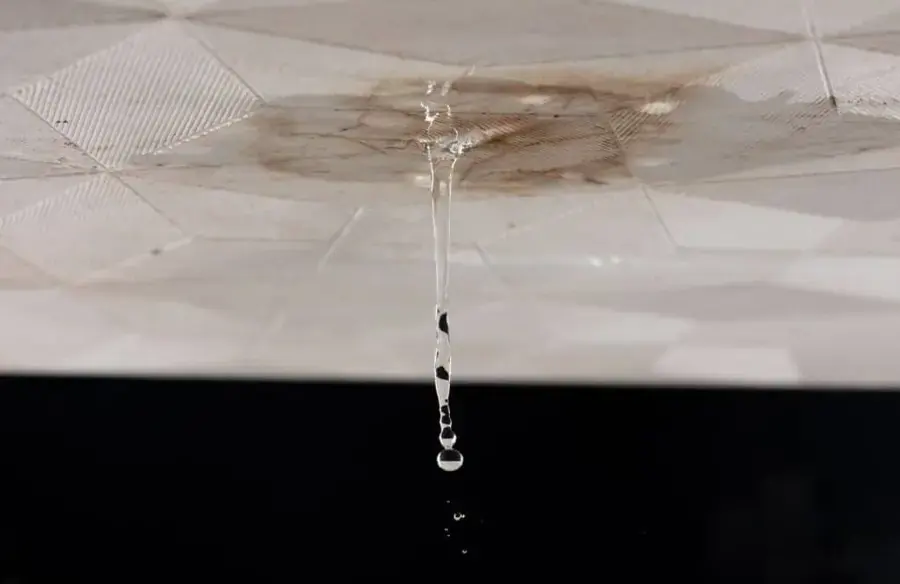
First steps for ceiling leak water damage in Monroe Township
- 1
Turn off the fixture above
Stop using the tub, toilet or sink over the stain.
- 2
Cut power to that ceiling
Especially if water is near a light or fan.
- 3
Clear the room below
Move furniture and stay out from under a sag.
- 4
Photograph the stain
And the fixture you think is leaking.
How ceiling leak water damage is handled in Monroe Township
- L1
Find the footprint
Thermal imaging maps the wet ceiling.
- L2
Make it safe
Power off and sagging drywall removed.
- L3
Dry the bays
Air pushed into joist bays and subfloor.
- L4
Verify
Readings until framing and drywall are dry.
What does ceiling leak water damage cost in Monroe Township, NJ?
In Monroe Township, NJ, ceiling leak water damage cleanup typically runs $800 to $4,500, set by the size of the wet area, whether drywall and insulation come out and whether the floor above needs drying. Plumbing repair is separate.
- Thermal imaging
- Cavity drying
- Readings
- Sagging drywall out
- Wet insulation out
- Joist bay drying
- Subfloor drying
- Two rooms or more
- Extended equipment
Ranges are typical, not a quote: the water category, square footage, material class and how fast drying started move the number most. The Monroe Township water damage cost calculator gives a closer planning range.
Ceiling leaks come from inside the house: a failed tub drain, a toilet wax ring, a shower valve, a supply fitting under an upstairs sink or a washer on the second floor. In townhomes and condos the source can be the unit above.
Signs the ceiling is holding water
- A stain that grows or darkens over a few days.
- Paint that bubbles or peels in one spot.
- A soft or sagging patch, or water around a light fixture.
Water near a light fixture or a ceiling fan means power to that circuit should be off. A heavy sag can drop without warning.
How a ceiling leak is opened and dried
The tech who does the walkthrough maps the ceiling with thermal imaging and meters, then marks the wet area. Sagging drywall is cut out in a controlled way with a tarp below. Firm drywall can often stay while air is pushed into the joist bays. Wet insulation comes out, and air movers and a dehumidifier dry the framing and the subfloor above. The structural drying page explains how dry is verified.
Ceiling leak or roof leak?
Stains under a bathroom or kitchen point to plumbing. Stains near exterior walls after snow or rain point to the roof; see roof leak water damage. The EPA WaterSense program has guidance on finding hidden leaks, and EPA moisture guidance explains why wet ceilings should be dried within 24 to 48 hours.
Ceiling leak water damage across Monroe Township and nearby towns
Monroe Township Water Damage Restoration covers ZIP 08831 from Rossmoor, Clearbrook and Concordia to Whittingham, Applegarth, Prospect Plains and the homes along Route 33 and Spotswood-Englishtown Road.
Nearby coverage reaches Jamesburg, Spotswood, Helmetta, Cranbury, South Brunswick, Hightstown.
Ceiling Leak Water Damage questions in Monroe Township, NJ
Is a water stain on the ceiling an emergency?
A dry, old stain is not. A stain that grows, drips, sags or sits near a light fixture should be checked right away.
Does the whole ceiling have to come down?
Rarely. Only the sagging or soaked section is cut out; firm drywall can often be dried in place.
Is ceiling leak damage covered by insurance?
A sudden plumbing failure usually is; a slow leak that went on for months may not be. Coverage depends on your policy, so check with your own insurer.
What if the leak comes from the unit above?
The source unit's plumbing is repaired first. Both units may need drying, and each owner's policy and the association's master policy can apply.
How long does a ceiling take to dry?
Usually two to four days with air directed into the joist bays, longer if the subfloor above is wet.
Can the ceiling just be painted after it dries?
After readings confirm it is dry, a stain-blocking primer and paint usually cover it. Drywall that sagged is replaced.
Water coming through the ceiling? Get it opened and dried.
The crew maps the wet area, opens the ceiling safely and dries the joist bays to the IICRC S500 goal.