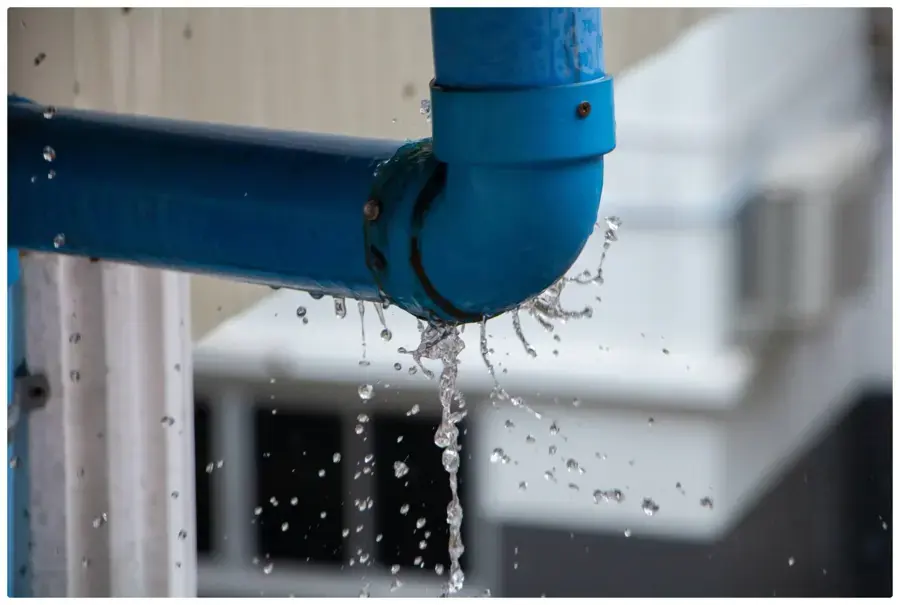
Freehold Borough has its own Water and Sewer Department, and it asks residents with a water leak or a sewer backup to contact the Borough before a plumber. The reason is practical: the Borough can determine who is responsible for the repair, while the water already in the house still has to be dealt with.
Key takeaways
- The Borough of Freehold Water and Sewer Department maintains the municipal water system and the municipal sanitary sewer system.
- Residents with a leak or sewer backup are asked to contact the Borough before a plumber so it can determine who is responsible for the repair.
- Borough staff respond to water and sewer emergencies day or night, and after hours residents call the Police Department, which notifies water and sewer staff.
- Contacting the Borough does not pause the cleanup: shutting off water, moving belongings and starting extraction should go on at once.
- Photographs and notes about when the leak began help with both the Borough conversation and an insurance claim.
Why the Borough wants to hear first
The Borough of Freehold Water and Sewer Department maintains the water system and the sanitary sewer system, and drinking water comes from groundwater pumped from six wells. Because the Borough runs the system, it is the party that can say which part of a leak belongs to it and which part belongs to the property.
That is the reason it asks residents to contact it before a plumber. A repair done before the Borough looks can blur where the problem sat and who is responsible for the work.
- Contact the Borough as soon as water appears or a backup starts.
- Describe where the water is coming from and whether it is still running.
- Ask what the Borough needs to see before any repair is started.
- Keep a note of the date, the time and who was spoken to.
Nights, weekends and emergencies
Borough personnel respond to water and sewer emergencies day or night. After hours, residents call the Police Department, which notifies water and sewer staff.
A leak that starts at night does not have to wait for morning to be reported. The report starts the Borough's side of the process, and the household can keep working on its own side.
What to have ready
The address, a short description of the leak and whether it is inside or outside the building are the useful details.
If the leak is a sewer backup, say which fixtures are affected.
What the Borough does not do for the house
The Borough maintains the municipal systems. Removing standing water, drying walls and floors and treating damaged materials is the work of the restoration team.
What to do inside the house while the Borough is contacted
Contacting the Borough is one step, not the only one. Water on the floor keeps spreading while phone calls are made, so the household and the restoration team work at the same time.
The main water valve is the first move, followed by a quick check of what is wet.
- Close the main water valve, usually near where the supply enters the house.
- Switch off power to wet rooms only if the panel can be reached safely.
- Move rugs, electronics and furniture legs off wet floors.
- Open cabinet doors under the sink or near the leak.
- Photograph the source of the leak and each wet room before anything is moved.
How extraction and drying follow a pipe failure
The extraction crew pulls standing water first, and the sooner that happens the less water travels into drywall, baseboards and subfloors. The median home in Freehold Borough was built in 1960, so many houses have older finishes and layered floors that hold moisture.
Burst pipe water damage cleanup in Freehold covers the pump out, the opening of wet walls and the drying that follows, while water extraction in Freehold is the first stage when standing water is deep.
Opening wet cavities
Water from a burst pipe travels through wall cavities, ceilings and under floors. Small openings let the team measure the moisture and decide how much has to come out.
Wet insulation and soaked drywall are removed, and framing is dried in place.
Drying until the readings are normal
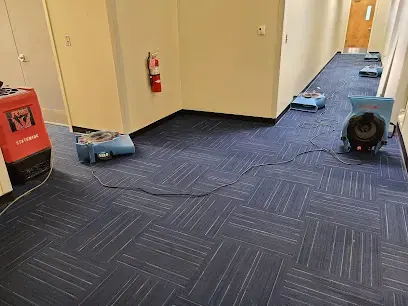
Air movers and dehumidifiers run while moisture meters track progress. Readings are logged daily so the dry point is clear.
Prompt drying also limits mold, which can start on wet materials within 24 to 48 hours.
- Daily moisture readings at the same spots.
- Equipment moved as sections dry.
- A final check before walls are closed.
Is it the house or the Borough's system?
Not every water problem starts inside the building. On April 8, 2015, a ruptured water main in Freehold Borough left taps dry in part of the community into the night, a reminder that the municipal system can fail as well as a household pipe.
A few clues help sort out where a problem sits, and they make the call to the Borough more useful.
Signs the leak is inside the house
Water on a floor, a stain on a ceiling or a wet wall inside the building usually points to a fixture, a supply pipe or an appliance connection.
Closing the main valve and watching whether the damp spot stops growing is a quick test.
Signs the problem is outside
Water bubbling up in a yard or street, a sudden drop in pressure across the block or neighbors reporting the same trouble point to the Borough system.
Even then, a house can have water inside from the same event, so check the lowest rooms.
- Pressure that drops in every faucet at once.
- Neighbors with the same symptom.
- A wet spot in the yard when no one has watered.
Water bills, shutoffs and the Borough meter
Water and sewer bills in Freehold Borough are mailed quarterly and are based on usage. A leak that runs for days can show up in usage, so it is worth asking the Borough how a leak is handled on the bill.
Pool owners are asked to notify Borough Hall before filling a pool so the meter can be read before and after, and a sewer credit may be issued for water that did not enter the sewer. That is a reminder that the Borough tracks water use closely, and it is a good source of answers about meter readings.
- Ask the Borough whether a meter check is needed after a leak.
- Keep repair invoices and the date the leak stopped.
- Save the quarterly bill that covers the leak period.
- Do not assume a credit applies without asking the Borough.
Insurance and next steps
Photographs, a written timeline and the invoices for emergency work form the core of an insurance claim. Owners can also keep a record of who at the Borough was contacted and when.
More about the local team is on the Freehold water damage page, and the wider burst pipe service in Monroe Township outlines the full cleanup process for pipe failures.
- Take photos of the leak, the wet rooms and damaged belongings.
- Write down the time the leak was found and stopped.
- Separate emergency work from repair and rebuild estimates.
- Ask the insurer what proof it needs for water damage claims.
Questions
Who should a Freehold Borough resident contact first about a water leak?
The Borough of Freehold Water and Sewer Department asks residents with a leak or sewer backup to contact the Borough before a plumber, so it can determine who is responsible for the repair.
What if the leak starts at night?
Borough personnel respond to water and sewer emergencies day or night, and after hours residents call the Police Department, which notifies water and sewer staff.
Should the cleanup wait until the Borough responds?
No. Shutting off the water, moving belongings and starting extraction should go on at once, because standing water keeps spreading into walls and floors.
Where does Freehold Borough drinking water come from?
The borough's drinking water comes from groundwater pumped from six wells.
How are water and sewer bills handled?
Bills are mailed quarterly and are based on usage, so anyone with a leak should ask Borough Hall how the leak period is treated.