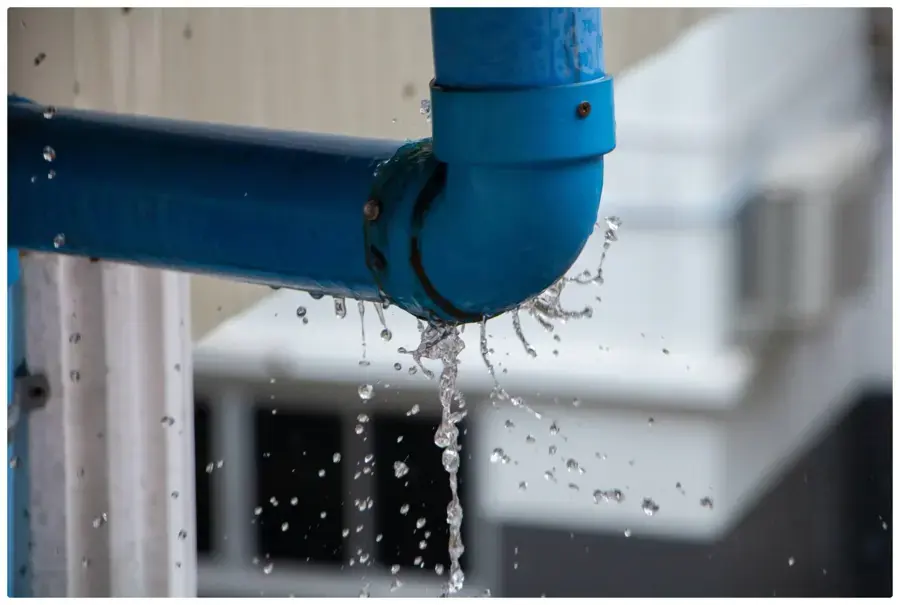
Some Monroe Township homes built between the late 1970s and the mid 1990s were plumbed with polybutylene, a plastic supply pipe that later fell out of use. A leak from a fitting or a pipe inside a wall can run for a long time before anyone sees it.
Key takeaways
- Some Monroe Township homes built from the late 1970s to the mid 1990s have polybutylene supply pipe.
- A leak inside a wall often shows first as a stain, a soft spot, a musty smell or a rising water bill.
- The first step is to shut off the main valve, then call a plumber and a restoration team about the wet cavity.
- Opening the wall, removing wet insulation and drying the framing prevents a small leak from becoming a larger one.
- No one can say how many local homes have this pipe, so a plumber's inspection is the only way to know.
What this plastic pipe is and where it turns up
Polybutylene is a flexible plastic pipe that was used for home water supply in the decades before it was replaced by other materials. Some Monroe Township homes built from the late 1970s to the mid 1990s have it.
That puts it in the older part of the township's housing, alongside age restricted communities, family subdivisions and older farmhouses. No one can say how many homes still have it, and a plumber's inspection is the way to find out.
- Gray, flexible pipe near the water heater or the main shutoff.
- Plastic or metal fittings at joints and valves.
- Homes built or renovated between the late 1970s and the mid 1990s.
- Repeated small leaks at fittings.
How a pipe or fitting failure begins
The pipe itself is not always the failure point. Fittings, bends and joints can crack or loosen under constant pressure, and water then seeps into the wall.
A slow leak may run for weeks and show only as a faint stain. A sudden failure can send a steady flow into a ceiling or floor.
Either way, the water ends up in the same places: cavities, insulation, subfloors and ceilings below.
Slow leaks
A damp spot that grows over days, a musty smell or paint that bubbles are signs of a leak that is hidden behind a surface.
A water bill that rises with no change in use is another clue.
Sudden failures
A fitting that gives way sends water out at full pressure, and the first sign may be water on a floor or a drip through a ceiling.
The main shutoff stops the flow, and each moment without it adds to the damage.
What to do the moment a leak is found
The order of steps matters. Stopping the water comes first, and safety comes before saving belongings.
A homeowner who finds water coming through a ceiling or wall should avoid touching light fixtures or outlets in the area.
- Close the main water valve, usually where the supply enters the house.
- Open a faucet at the lowest point to relieve pressure in the pipes.
- Switch off power to the wet area at the panel if the panel is dry.
- Move furniture and rugs away from the water.
- Photograph the leak, the stain and the damage before cleanup.
- Keep a bucket and towels ready, but do not wait for the drip to stop before acting.
- Call a plumber to find the source and the restoration team to deal with the water.
Opening the wall and drying the cavity
Water that gets inside a wall does not stay where it started. It runs down the studs, soaks insulation and pools at the bottom plate, so the damage is often larger than the stain.
Burst pipe water damage cleanup in Monroe Township includes moisture mapping, small openings to check the cavity and the removal of wet insulation and drywall.
What the team looks for
Moisture meters and thermal imaging show where the wetness travels, which can be well past the visible stain.
The drying team then decides how much drywall to open.
A cut that follows the wet area is neater to repair than a large opening made without readings.
Photographs of each opening go into the job record so the insurer can see the extent of the damage.
- Wet insulation holding water against framing.
- Baseboards that have swelled or lifted.
- Floors that feel soft or look cupped.
- Ceilings below that sag or stain.
What happens after the opening
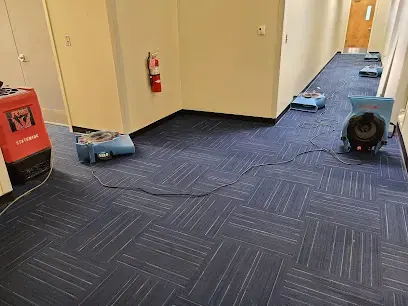
Air movers and dehumidifiers run until readings are normal, and the framing is dried in place.
The plumber repairs or replaces the failed pipe before walls are closed.
Structural drying and why it takes patience
Wood framing dries slowly and holds moisture long after the surface looks dry. Structural drying in Monroe Township is built around readings, not appearances.
Humid summers slow drying in the township, so equipment may need to stay longer in warm weather. The team logs readings daily and keeps going until the numbers reach a dry level.
- Readings are taken at the same spots each day.
- Equipment is moved as areas dry.
- Walls are closed only after readings are normal.
- Mold is a reason not to rush the closing, because wet framing can grow it within 24 to 48 hours.
Deciding on repairs, replacement and insurance
A leak from an old pipe raises a bigger question than a single repair. A plumber can say whether the rest of the pipe is in good shape or whether replacing more of the system makes sense.
Insurance often covers the water damage from a sudden leak but may treat the pipe itself differently, so it helps to read the policy and ask the insurer how it treats the repair and the damage. Owners in nearby Hightstown and Freehold can ask the same questions about their own plumbing.
- Ask the plumber to inspect other fittings.
- Keep photos and the plumber's report.
- Save moisture logs from the drying team.
- Ask the insurer how it treats sudden leaks and hidden damage.
Questions
Which Monroe Township homes may have polybutylene pipe?
Some homes built between the late 1970s and the mid 1990s have it. A plumber can tell by inspecting the supply pipe, because age alone does not show what is in the walls.
How can a homeowner tell if a wall is leaking?
Stains, soft or bubbled paint, a musty smell, warped baseboards or a water bill that rises with no change in use all point to a hidden leak.
What should be done first when a pipe fails?
Close the main water valve, switch off power to the wet area if it is safe, move belongings and call a plumber and the restoration team.
Does the wall always have to be opened?
Often a small opening is needed to check the cavity with a moisture meter. If the cavity is wet, the wet insulation and drywall come out so the framing can dry.
How long does structural drying take?
It depends on how much water reached the framing and how humid the weather is, and the readings from moisture meters decide when drying is done.