Basement Flooding Cleanup in Jamesburg, NJ
Storm water or a broken pipe can soak a lower level's carpet, drywall and stored boxes in hours. Crews pump it out, haul away what cannot be saved and dry the concrete and walls.
(888) 471-9821Get the Jamesburg lower level pumped out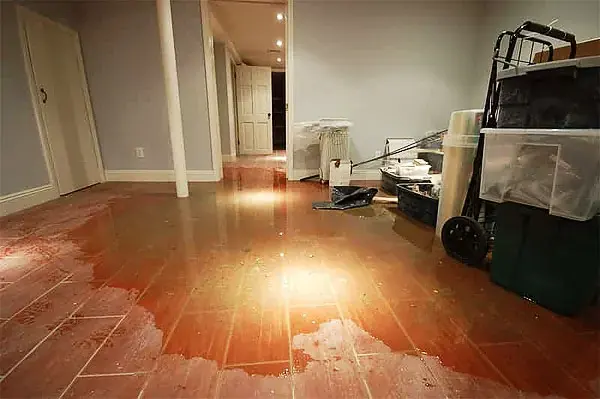
First steps for basement flooding cleanup in Jamesburg
- 1
Keep away from wet wiring
Never step into water touching outlets, extension cords or the panel.
- 2
Kill power to that floor
Only at a dry panel you can reach without standing in water.
- 3
Pin down the source
Storm runoff, a pipe, the water heater or a drain that backed up.
- 4
Raise what is within safe reach
Get boxes and electronics up off the floor, then photograph everything.
How basement flooding cleanup is handled in Jamesburg
- L1
Pump down
Submersible pumps plus truck-mounted extraction units.
- L2
Tear out
Soaked pad, lower drywall and ruined belongings leave the house.
- L3
Dry out
Dehumidifiers and air movers aimed at floor and walls.
- L4
Confirm
Meter checks each day until readings match the dry reference.
What does basement flooding cleanup cost in Jamesburg, NJ?
Cleaning up a flooded lower level in Jamesburg, NJ usually runs $2,000 to $10,000, depending on water depth, whether the space is finished, the water category and how many hours or days it sat.
- Pump-out and extraction
- Concrete and wall drying
- Daily readings
- Carpet, pad and drywall out
- Cavity drying
- Claim photos
- Category 3 removal
- Antimicrobial treatment
- Containment
Ranges are typical, not a quote: the water category, square footage, material class and how fast drying started move the number most. The water damage cost calculator gives a closer planning range.
Most Jamesburg lower-level floods start one of two ways: heavy storm rain, like the roughly 8 inches Henri dropped overnight in August 2021, or a source inside the house such as a broken pipe or a leaking water heater. Where the water came from sets its category, and the category sets what can be kept.
Clearing out a flooded lower level
Pumping comes first, then truck-mounted wands pull water from carpet and concrete. Soaked pad, wet cardboard and drywall that drew water upward get hauled out, with drywall usually cut 12 inches or more above the high-water line so the cavity behind it can breathe. The emergency water extraction page covers that opening step.
- Finished rooms: every wall is checked for wet carpet, pad, drywall and insulation.
- Unfinished space: attention goes to the concrete, the walls and anything stored on the floor.
- Furnace and water heater: a qualified technician inspects them before they run again.
Getting concrete and walls dry
After tear-out, LGR dehumidifiers and air movers go in and the space gets closed off so the machines work on a contained volume of air. Meters come out every day until concrete and walls line up with a dry reference. More on the gear sits on the structural drying page.
Water that came in from outside
Anything from Manalapan Brook or a flooded street is Category 3, so porous materials it reached are discarded. Flood insurance is its own policy apart from homeowners coverage, and the National Flood Insurance Program sets its own limits on what it pays for in lower levels; the National Weather Service flood safety page explains why rising water is no place to wade.
Basement flooding cleanup across Jamesburg and nearby communities
The restoration team handles flooded lower levels across Jamesburg, from West Railroad Avenue and Gatzmer Avenue to the homes along Perrineville Road and Forsgate Drive near Thompson Park.
The same service nearby: basement flooding cleanup in Monroe Township, Spotswood, Hightstown.
Basement Flooding Cleanup questions in Jamesburg, NJ
How many days does a flooded lower level take to dry?
Usually four to nine once the water is gone. Concrete, masonry and finished walls run longer than bare framing.
Must the walls come out?
Not in every case. Drywall still firm after clean water may dry where it stands. Drywall that drew water high, went soft or touched Category 3 water gets removed.
Will homeowners insurance pay for a flooded lower level?
A sudden event like a broken pipe usually qualifies. Water from a brook or street is flood and needs a separate flood policy. Your own insurer can confirm.
Is the furnace safe to restart?
Have a qualified technician inspect it, and the water heater too, if water touched burners, controls or wiring.
What happens to stored belongings?
Hard goods usually clean up. Soaked cardboard, upholstered pieces and papers often cannot be saved, particularly after brook or street water.
Why is there still an odor when it looks dry?
Water remains in the concrete, the walls or the cavities. Meter readings, not appearance or smell, decide when drying ends.
Lower floor under water? Get it pumped out and dried.
Crews pump it out, then dry the concrete and walls until meters meet the S500 goal.