Ceiling Leak Water Damage in South River, NJ
A ceiling leak starts above the room, either in the roof or in upstairs plumbing, and apartment buildings add the chance of a neighboring unit. The team scans, opens and dries the wet bay.
(888) 471-9821Scan the wet ceiling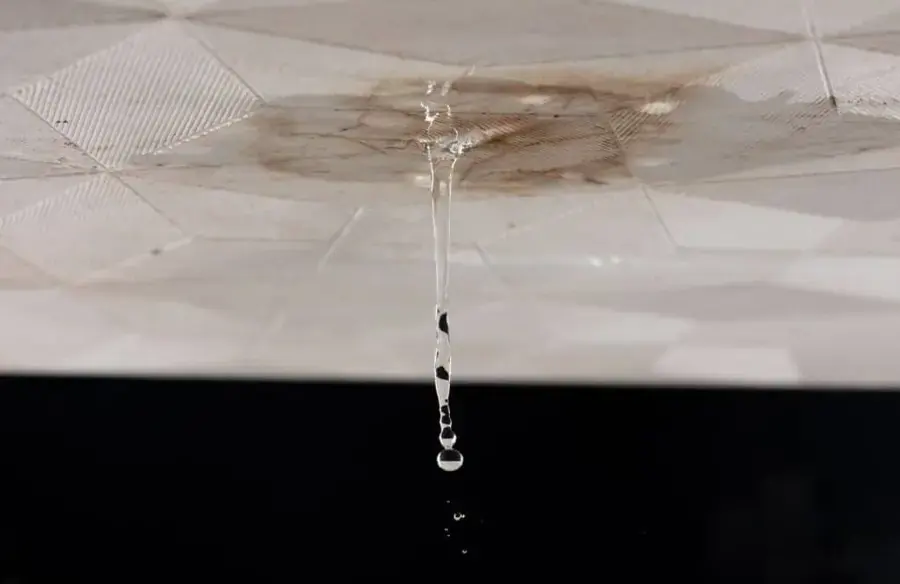
First steps for ceiling leak water damage in South River
- 1
Scan the ceiling
Thermal imaging and meters outline the wet area from below.
- 2
Open the damage
Sagging drywall and soaked insulation are cut out of the bay.
- 3
Dry the bay
Air movers and dehumidifiers run until framing reaches dry goals.
- 4
Check above
The floor or attic above is read for water that traveled.
How ceiling leak water damage is handled in South River
- L1
Scan
Thermal imaging outlines the wet area.
- L2
Open
Sagging drywall and soaked insulation come out.
- L3
Dry
Air movers and dehumidifiers work the open bay.
- L4
Verify
Readings from the ceiling and the floor above must reach dry goals.
What does ceiling leak water damage cost in South River, NJ?
A small stain caught early costs little to scan and dry, while a ceiling that has been opened or a leak that reached the floor above needs more materials, more equipment and longer monitoring.
- Thermal imaging scan
- Cavity drying
- Daily readings
- Sagging drywall removed
- Wet insulation removed
- Joist bay drying
- Subfloor drying
- Two or more rooms
- Extended equipment
Ranges are typical, not a quote: the water category, square footage, material class and how fast drying started move the number most. The water damage cost calculator gives a closer planning range.
When a ceiling leaks, the first question is where the water is coming from, because the answer decides who fixes the source. In a house it may be the roof, while in an apartment it can be the unit above, as in apartment communities such as Deer Creek Village.
Reading the damage
A moisture meter and thermal camera map the wet area from below, and the ceiling is opened only where readings call for it. Sagging drywall comes down at once, since it can drop without warning.
- Drywall that sags or bubbles is cut out and the cut edge is checked for moisture.
- Insulation in the joist bay is removed when it is soaked.
- The room is checked for wet carpet, trim and the top of the walls.
Photos of the stain and the opened ceiling are taken before demolition, and dated readings follow, so the file shows the full path of the water.
Drying the joist bay
Air movers push dry air through the open bay while dehumidifiers pull vapor from the room, and readings are repeated each day. If the leak ran long, the subfloor above or the framing around it may need attention too.
When the source is in another unit
Tenants photograph the damage and report it to the property manager so the source can be found and repaired. The drying team works on the affected room and documents the loss, and the same steps apply in a house with a roof leak above. Frozen or burst supply pipes upstairs are covered under burst pipe water damage.
Ceiling leak water damage across South River and nearby communities
Ceiling work covers houses and apartment buildings throughout South River, from the Washington Street and Main Street areas to Montgomery Street, Whitehead Avenue and homes near Riverview Drive.
The same service nearby: ceiling leak water damage in Monroe Township, Spotswood, Jamesburg.
Water damage restoration in South River · every town covered
Ceiling Leak Water Damage questions in South River, NJ
Is a bubbling ceiling an emergency?
It can be, since the bubble holds water that may drop suddenly. Keep people out from under it and tell the team so it can be opened safely.
How is the source of a ceiling leak identified?
Meters and thermal imaging trace the moisture, and the attic, the room above or a neighboring unit is checked. A roofer or plumber then repairs what the trace found.
What if the leak comes from the apartment upstairs?
The tenant reports it to the property manager and photographs the damage. The restoration team dries the affected room and records the readings for the claim.
Can drywall be saved without cutting it?
Sometimes, when the water was clean and the board is firm. Small access holes let air move through the bay, but soft or sagging drywall has to come out.
How is the floor above checked?
Meters read the subfloor and carpet in the room above, because water often moves along joists and can wet more than one room.
When can the ceiling be closed again?
Only after readings in the framing and drywall match dry goals. Closing too soon traps moisture and sets up odor and staining.
Ceiling leaks need the source found and the bay dried
The restoration team scans the ceiling, removes ruined drywall and logs readings until the framing is dry.