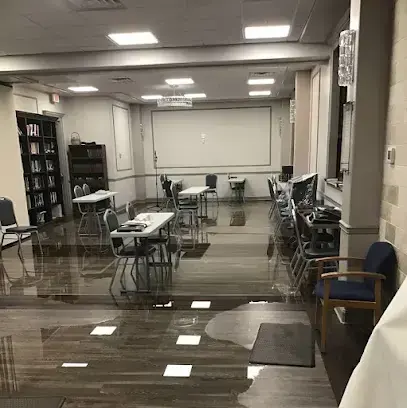
Jamesburg is a small borough, and a flood there lands on a short row of shops and offices all at once. Floodwater reached West Railroad Avenue businesses in August 2021, and the first day decides how much of the building can be saved.
Key takeaways
- Floodwater from Manalapan Brook or a street is treated as contaminated, so porous stock and finishes are judged differently than after a pipe leak.
- Safety comes first: power off at the panel if the water is above outlets, and stay out of standing water that could be energized.
- Extraction starts before the cleanup, because every hour of standing water pushes moisture further into walls and the slab.
- Photographs, a stock list and receipts taken on day one carry the insurance conversation later.
- Jamesburg businesses have seen deep water before, so a written flood plan for the next storm is a sensible follow up.
Why Jamesburg storefronts take on floodwater
Manalapan Brook runs through the Jamesburg and Monroe area, and dams along it were overrun by rising water in August 2021. On August 22, 2021, Tropical Storm Henri dropped roughly 8 inches of rain overnight, according to the National Weather Service.
By the next day, water had reached three and a half feet at a West Railroad Avenue business, and floodwater shut businesses along the avenue. Owners began cleanup the next day, after storm reports had put Railroad Avenue near Forsgate Drive under water, with a water rescue in progress and stranded vehicles on the road.
That was not the first time. On July 17, 2005, 7 to 8 inches of rain flooded West Railroad Avenue, East Church Street, Pergola Avenue, Willow Street, Forsgate Drive and Gatzmer Avenue, and 75 to 100 families were evacuated to John F. Kennedy Elementary School.
The brook side of the problem
Brook water rises from low ground, so it often enters at the back or the lowest door and moves forward across the floor.
It carries silt and whatever else the brook picked up on the way, which is why it counts as contaminated water.
The street side of the problem
A road under water pushes runoff against doors, loading entrances and floor drains.
Shops on a short avenue can be hit by both at the same time, and the water may stand for a while because nearby streets are flooded too.
The first day: safety, shutoffs and a quick walk through
The owner or manager decides first whether the building is safe to enter. Water above outlets, a humming panel or a strong smell of fuel means the restoration team should be called before anyone goes inside.
Once it is safe, a short walk through sets the plan. Note how high the water reached, what it touched, and where it is still coming from.
Tenants should tell the landlord right away, because the building owner may need to start structure repairs while the tenant protects contents.
- Switch off power to wet areas at the panel, but never step into standing water to reach it.
- Shut the main water valve if a pipe or fixture is also leaking.
- Lift stock, files and electronics onto shelves or tables above the waterline.
- Photograph every room before anything is moved, with a tape measure or a marked wall for water height.
- Keep a list of damaged items with rough values for the insurer.
What the extraction crew removes first
Standing water goes first. Truck mounted pumps and wet vacuums pull it off the floor, and the crew keeps going until the surface is dry to the touch and moisture readings start to fall.
The faster the standing water is gone, the less of it wicks up into drywall, baseboards and the bottom of shelving. That is the main reason commercial water damage response in Jamesburg is built around extraction before anything else.
What gets cut out
Drywall that wicked floodwater is cut a set height above the waterline so the wall cavity can air out. Soaked insulation, carpet and pad do not dry in place after contaminated water and are removed.
Hard surfaces such as sealed concrete and tile are cleaned and treated with antimicrobial products instead of being torn out.
- Carpet and pad that sat in floodwater
- Insulation inside wet wall cavities
- Particleboard shelving and cabinet bases that swelled
- Paper stock and cardboard in contact with the water
What can usually stay
Solid wood fixtures, metal shelving and sealed surfaces often come through after cleaning, depending on how long they sat wet.
Drying a commercial space after the water is out
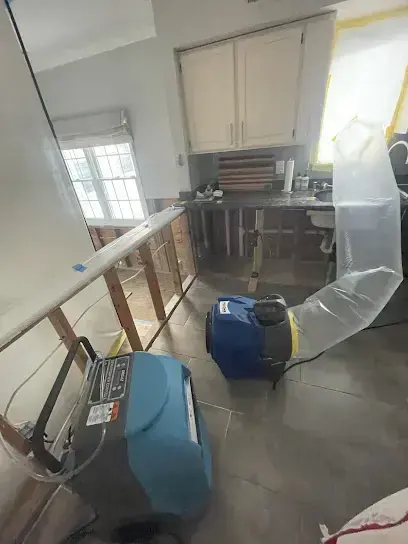
After extraction, structural drying in Jamesburg takes over. Air movers push dry air across surfaces and dehumidifiers pull the moisture out of the room, while moisture meters track progress in walls and the slab.
A storefront with a glass front and a back room can dry unevenly, so the drying team places equipment by reading each zone instead of using one setting for the whole building.
- Readings are taken daily at the same spots so the trend is clear.
- Equipment moves as areas reach their dry target.
- Doors and vents are managed so humid outside air does not undo the work.
- Mold is a reason to dry quickly, because wet materials can start growing it within 24 to 48 hours.
Records and decisions that keep a business running
A flooded shop has two clocks running. One is the drying schedule, the other is the cost of being closed.
Owners who record the water level, list lost stock and keep copies of invoices from day one tend to have fewer disputes with the insurer. The restoration team can supply moisture logs and photos of each stage.
- Ask the landlord who handles building repairs and who handles tenant improvements.
- Separate emergency work, such as pump out and drying, from rebuild work like new drywall and paint.
- Move equipment, records and perishable stock to a dry site if the building will be closed for a stretch.
- Post a clear notice on the door about reopening so customers are not guessing.
Getting ready for the next heavy rain
Jamesburg has now seen serious floods in July 2005 and August 2021, and Manalapan Brook overflowed its banks near the borough again on February 10 and 11, 2018. A written plan costs little compared with a flooded stockroom.
A plan names who shuts off utilities, where stock goes, which supplier to call for pumps and who talks to the insurer. It also notes the weather alerts that trigger action, such as National Weather Service flood warnings.
Owners can find more about the Jamesburg water damage team and how storm cleanup is handled, or read about storm and flood water cleanup before the next season.
- Keep valuable stock on shelves rather than the floor.
- Know where the main water valve and electrical panel are.
- Store key documents off site or in the cloud.
- Keep a short list of contacts posted in the back room.
Questions
Is floodwater from Manalapan Brook treated differently than water from a broken pipe?
Yes. Brook and street water is treated as contaminated, so porous materials that soaked it are usually removed and hard surfaces are cleaned and treated, while a clean pipe leak lets more materials be dried in place.
How long can a Jamesburg storefront wait before drying starts?
The sooner the better. Moisture keeps moving into walls and the slab while water stands, and mold can begin growing within 24 to 48 hours on wet materials, so extraction and drying should begin immediately.
Should owners throw out wet stock before an adjuster sees it?
Not before photographing it. Document each item and its condition, keep a list with values, and ask the insurer whether samples should be kept.
Who handles cleanup if a landlord owns the building?
That depends on the lease. Tenants usually handle contents and their own improvements, and landlords handle structure, so both sides should be told early and the emergency work recorded.
Does water that drains away on its own still need professional drying?
Yes. Even after the surface water is gone, floors, wall bases and subfloors hold moisture that readings can confirm and that drying equipment removes.