Structural Drying and Dehumidification in Jamesburg, NJ
Water you can no longer see is still in the framing, slab and drywall. The drying team sets LGR dehumidifiers and air movers by the numbers and logs readings daily until each material reaches its dry standard.
(888) 471-9821Request drying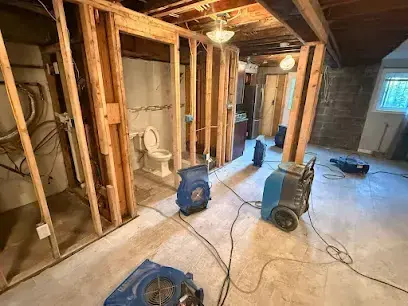
First steps for structural drying and dehumidification in Jamesburg
- 1
Keep doors shut
Closed rooms let dehumidifiers work.
- 2
Leave units running
Switching equipment off slows the drying.
- 3
Report changes
Mention new damp spots, odors or stains to the drying team.
- 4
Let readings decide
Equipment leaves only when each material reaches dry.
How structural drying and dehumidification is handled in Jamesburg
- L1
Map
Moisture readings show every wet material.
- L2
Set
Dehumidifiers and air movers go in by room size.
- L3
Log
Readings are taken and equipment adjusted daily.
- L4
Release
Units leave once every reading hits dry standards.
What does structural drying and dehumidification cost in Jamesburg, NJ?
Drying cost follows the number of rooms, the materials involved and the class of loss. A single room is a short job, while a basement, hardwood or slab needs more equipment for longer.
- Air movers
- LGR dehumidifier
- Daily logs
- Multiple dehumidifiers
- Cavity drying
- Containment
- Desiccant units
- Hardwood or slab
- Extended drying
Ranges are typical, not a quote: the water category, square footage, material class and how fast drying started move the number most. The water damage cost calculator gives a closer planning range.
After floodwater entered Jamesburg residences in July 2005 and August 2021, the visible water was only part of the problem. What stayed in walls, floors and framing needed days of controlled drying before anything could be closed up.
What drying equipment does
Low-grain refrigerant dehumidifiers dry the air to a level that pulls moisture out of materials. Air movers push that dry air across wet surfaces, and in deep cavities the equipment is placed to reach behind baseboards and under cabinets. Equipment is sized to the room, so a small closet and a long hallway do not get the same setup.
- Smaller losses with a limited wet area dry with fewer units
- Deep losses in framing, hardwood or slab can need desiccant units
- Daily readings decide whether equipment is moved, added or removed
Why the readings matter
A floor can feel dry while the subfloor beneath it is still wet. Meter readings compare each material with a dry standard, so equipment stays until the numbers say the structure is ready, not until the calendar says so. Mold can start in 24 to 48 hours if wet materials linger.
Before and after drying
Drying follows the pump-out described under water extraction, and larger floods begin with storm and flood water cleanup.
Structural drying and dehumidification across Jamesburg and nearby communities
Structural drying runs across Jamesburg, from the West Railroad Avenue corridor and Forsgate Drive to Pergola Avenue, Willow Street, East Church Street, Gatzmer Avenue and Perrineville Road.
The same service nearby: structural drying and dehumidification in Monroe Township, Spotswood, Hightstown.
Structural Drying and Dehumidification questions in Jamesburg, NJ
How long does structural drying take?
Most jobs run several days, longer for thick framing, hardwood or slab. The readings, not a fixed schedule, decide when the equipment is done.
Why are dehumidifiers so loud and warm?
They move large volumes of air and remove water as they go, which adds noise and heat to the room. Both are normal while drying runs.
Can the equipment be turned off overnight?
It should not be. Stopping the units lets moisture move back into drywall and wood, so the drying team asks that the equipment stay on until the readings finish.
Do wet walls always have to be opened?
Not always. Small holes or removed baseboards often let air reach the cavity. Walls that stay wet or have insulation soaked through may need to be opened.
Does insurance pay for drying equipment?
Drying after a covered loss is normally part of the claim. The daily logs and final readings show the adjuster what ran and for how long.
Dry the structure, not just the surface
LGR dehumidifiers, air movers and daily readings are managed together, so the equipment stays until every material is dry.