Roof Leak Water Damage in Jamesburg, NJ
A roof leak soaks insulation, framing and ceilings long before a stain shows. The drying team checks the attic, removes what is wet and dries the rooms below with readings at every step.
(888) 471-9821Report a roof leak in Jamesburg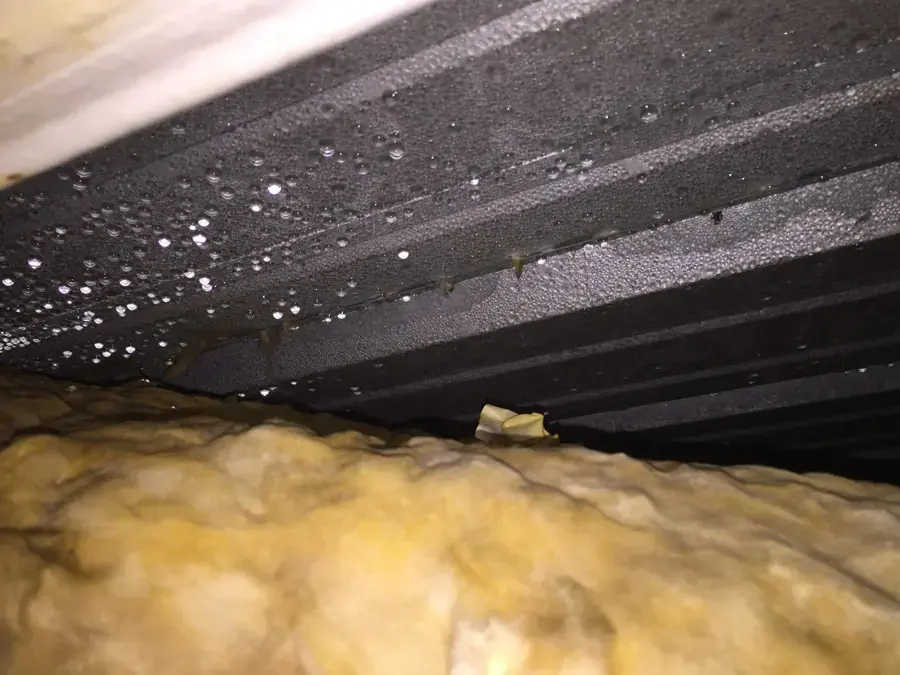
First steps for roof leak water damage in Jamesburg
- 1
Catch the drips
Set buckets under drips and lay towels to save the floor.
- 2
Cover the opening
A roofer can tarp the damaged area.
- 3
Photograph the stain
Shoot ceilings, walls, insulation and the roof opening if reachable.
- 4
Call the drying team
Describe the stain and any sag so the right tools are brought.
How roof leak water damage is handled in Jamesburg
- L1
Trace
Meters and thermal imaging follow the water.
- L2
Remove
Wet insulation and failed drywall come out of the ceiling.
- L3
Dry
Dehumidifiers and air movers work the cavity and the attic.
- L4
Verify
Readings confirm framing and drywall are dry before closing.
What does roof leak water damage cost in Jamesburg, NJ?
Roof leak costs depend on how far the water spread and how long the insulation stayed wet. One small ceiling area is a modest job, while a leak that soaked framing over several storms moves into the upper range.
- Attic check
- Ceiling drying
- Readings
- Wet insulation out
- Drywall removal
- Dehumidifiers
- Deck and rafter drying
- Wall top plates
- Extended drying
Ranges are typical, not a quote: the water category, square footage, material class and how fast drying started move the number most. The water damage cost calculator gives a closer planning range.
Heavy storms test every roof, and a leak that begins during one can keep feeding the attic for days. In Jamesburg, where Tropical Storm Henri dropped roughly 8 inches of rain overnight in August 2021, the first question after a storm is where the water went.
Tracing the water
A moisture meter and thermal imaging follow the path from the stain back to the entry point, through insulation, framing and the top of walls. Roof repair itself belongs to a roofer, and the drying can begin once the opening is covered.
- Wet attic insulation removed because it holds water against the ceiling
- Stained or sagging ceiling drywall cut out and replaced later
- Rafters, deck underside and wall top plates measured for moisture
Drying a ceiling and attic
Air movers and dehumidifiers dry the cavity from below while the attic is vented or dried directly. Insulation that stayed wet can hold moisture next to the drywall, and mold can start in 24 to 48 hours.
Related work
A leak that came through the ceiling is covered in detail under ceiling leak water damage, and the equipment side sits under structural drying. Photos of the opening, the attic and each stain help the adjuster tie it to one storm.
Roof leak water damage across Jamesburg and nearby communities
Roof leak work covers homes across Jamesburg, from Perrineville Road and the Thompson Park side to Willow Street, Pergola Avenue, East Church Street, Gatzmer Avenue and Forsgate Drive.
The same service nearby: roof leak water damage in Monroe Township, Spotswood, Hightstown.
Roof Leak Water Damage questions in Jamesburg, NJ
Should a roof leak be fixed before drying starts?
The opening should be covered first, since new rain undoes the drying. A roofer handles the repair while the drying team handles everything the water reached.
Does wet attic insulation have to come out?
Usually, yes. Insulation that stays wet holds water against the ceiling, dries slowly and can carry odor, so it is removed and replaced after the framing dries.
Why does the stain not sit under the hole?
Water follows rafters and the deck underside before it drops, so thermal imaging and meter readings trace the real path.
Will insurance cover a roof leak?
Policies usually cover sudden storm damage and exclude wear or neglected repairs. Dated photos of the stain and the drying readings support the claim either way.
How soon does a leaking ceiling need attention?
Quickly. Insulation and drywall hold water and mold can begin in 24 to 48 hours, so readings and a drying plan should come early.
Dry the attic and ceilings after a leak
Tracing the water, removing wet insulation and drying the cavity are done together, with readings kept for the claim.