Roof Leak Water Damage in Freehold, NJ
A roof leak soaks insulation first and shows on the ceiling later. The Freehold crew checks the attic, removes wet insulation, dries the ceiling below and records the readings for the claim.
(888) 471-9821Check my attic and ceiling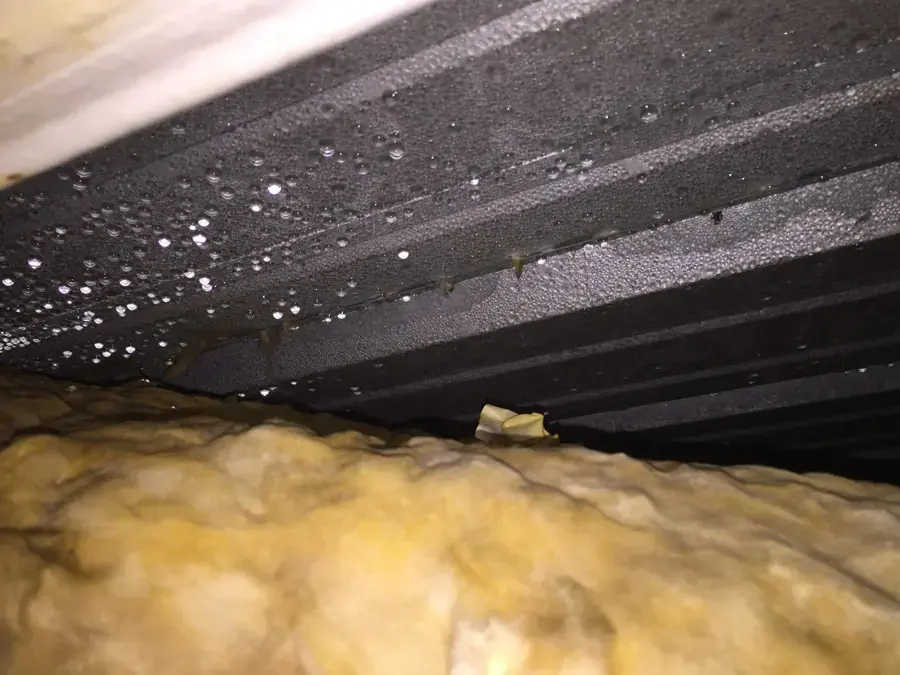
First steps for roof leak water damage in Freehold
- 1
Contain the drip
Set buckets and move belongings away from the stain.
- 2
Photograph the damage
Film the ceiling stain and any visible attic wetness.
- 3
Check the attic
Meters find wet insulation, decking and framing.
- 4
Remove and dry
Wet material comes out and dehumidifiers run.
How roof leak water damage is handled in Freehold
- L1
Inspect
The attic and ceiling are metered for moisture.
- L2
Remove
Wet insulation and drywall come out.
- L3
Dry
Equipment runs on framing and ceiling.
- L4
Verify
Final readings confirm everything is dry.
What does roof leak water damage cost in Freehold, NJ?
Roof leak damage in Freehold usually runs from about $1,000 for one ceiling to $14,000 or more when a long leak has soaked framing across several rooms. The size of the wet area drives the price.
- Attic check
- Ceiling drying
- Readings
- Wet insulation out
- Drywall removal
- Dehumidifiers
- Deck and rafter drying
- Wall top plates
- Extended drying
Ranges are typical, not a quote: the water category, square footage, material class and how fast drying started move the number most. The water damage cost calculator gives a closer planning range.
Water that enters through a roof soaks insulation, framing and drywall in turn. A homeowner often sees only a brown ceiling stain, while the attic above may hold a much larger wet area.
Older homes and older roofs
Freehold Borough has Victorian era homes on streets such as Brinckerhoff Avenue, and the median home was built in 1960. Older houses mean many older roofs, though no local roof data is claimed here. Age alone makes flashing, valleys and chimneys worth a look.
- Attic insulation and decking are checked with meters
- Wet insulation and sagging ceiling drywall are removed
- Rafters, top plates and ceiling joists are dried
What the crew looks for
Meter readings in the attic show whether water spread across insulation or stayed in one spot. A thermal camera adds a picture of the wet area, and both go into the photo file.
Wet insulation can sag, lose its value and hold water against wood framing, which is why it is removed rather than dried in place.
Repair and drying are separate jobs
A roofer closes the opening. The drying crew removes the water that already got in, so a repaired roof does not hide a wet attic. The two jobs fit together.
Related ceiling work
Stains and sagging below the leak follow the steps in ceiling leak water damage, and soaked framing moves into structural drying.
Roof leak water damage across Freehold and nearby communities
Roof leak calls come from houses and apartment buildings across Freehold Borough, from the Victorian streets around Brinckerhoff Avenue to the blocks near Court Street, Park Avenue and East Main Street.
The same service nearby: roof leak water damage in Monroe Township, Jamesburg, Spotswood.
Roof Leak Water Damage questions in Freehold, NJ
Where is the leak if the stain is in the middle of the ceiling?
Water travels along rafters, so the opening can sit several feet away from the stain. An attic check finds the true source.
Can wet attic insulation dry in place?
Usually not. Soaked insulation holds water against framing and loses its value, so it is normally removed and replaced.
Does a roof repair end the damage?
It stops new water, but wet materials stay wet afterward. Drying removes the water that already got in.
Will the ceiling need replacing?
If it sags or stays wet, yes. Light stains can often be dried in place and checked with readings.
Is roof leak damage covered by insurance?
Many policies cover sudden storm damage and exclude long-term wear. The adjuster makes that call, and the drying records help the file.
Can a roof leak cause damage in an apartment?
Yes. Top floor units take the water first, and it can drip into the unit below, so each space is checked and dried.
Dry the attic and the ceiling below
The drying team removes wet insulation, dries the framing and logs readings so the claim file is complete.